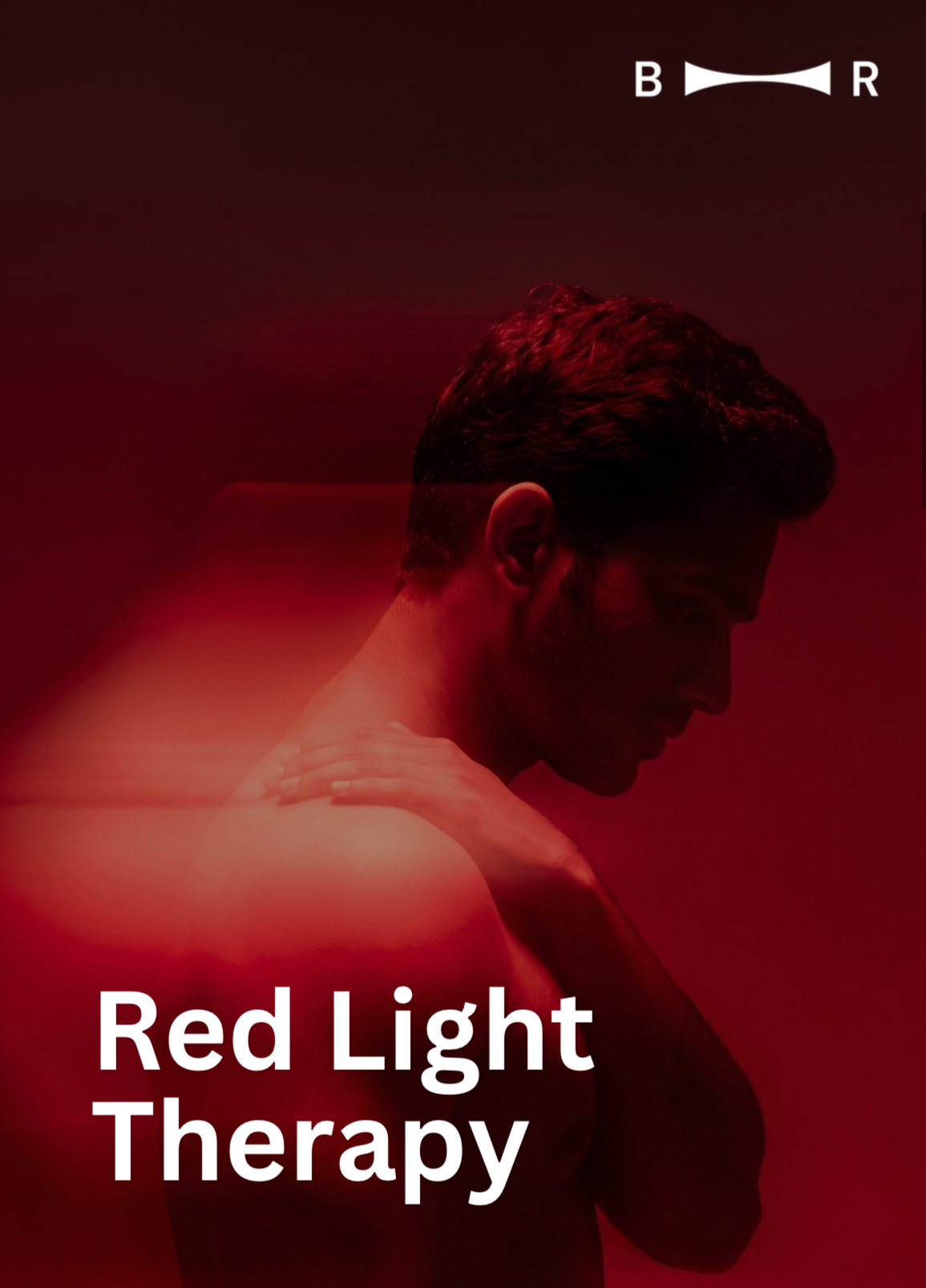

Red light therapy — technically called photobiomodulation (PBM) — has quietly accumulated one of the strongest evidence bases in recovery science. Over 5,000 peer-reviewed studies. Used by elite sports teams including the Golden State Warriors, Manchester United, and multiple Olympic programmes.
And yet most people either have not heard of it, or are using it incorrectly.
What Is Actually Happening at the Cellular Level
At specific wavelengths — 660nm (red) and 850nm (near-infrared) — light photons penetrate tissue and are absorbed by cytochrome c oxidase, a key enzyme in the mitochondrial electron transport chain.
The result: mitochondria produce more ATP (cellular energy), more efficiently. This matters because virtually every biological repair process runs on ATP.
More cellular energy means:
- Faster tissue repair
- Reduced oxidative stress
- Accelerated collagen synthesis
- Improved blood flow via nitric oxide release
- Reduced pain and inflammation
These are not theoretical mechanisms — they are observed in randomised controlled trials across dozens of tissue types and conditions.
Bare Recovery Studio
Cold Plunge ₹1,299 · Full Circuit ₹2,999 · Red Light ₹799. Athletes: 50% off every visit — permanent benefit.
Why Most People Are Using It Wrong
The three most common mistakes:
1. Wrong wavelength / device
Consumer LED panels sold as "red light therapy" often emit light outside the therapeutic window, at intensities too low to achieve tissue penetration. Medical-grade PBM requires specific wavelengths at sufficient irradiance (power density).
At Bare Recovery, we use medical-grade panels calibrated to the therapeutic 660nm/850nm split at verified irradiance — not consumer wellness gadgets.
2. Wrong duration
More is not better with PBM. There is a biphasic dose-response: too little light has no effect, optimal light produces maximum benefit, too much light can actually inhibit the process. The optimal session length at medical-grade irradiance is 10–20 minutes.
3. Not being consistent
PBM is cumulative. A single session improves recovery. Weekly sessions across 6–8 weeks produce measurable structural improvements in tissue quality, collagen density, and mitochondrial function. Sporadic use yields sporadic results.
The Specific Benefits for Athletes
Muscle recovery: A 2023 systematic review in Lasers in Medical Science found that pre-exercise and post-exercise PBM significantly reduced DOMS and improved muscle performance in subsequent training sessions.
Tendon and joint health: Near-infrared penetration reaches tendon tissue, where blood supply is naturally limited. PBM has been shown to accelerate tendon healing and reduce tendinopathy symptoms in multiple RCTs.
Sleep quality: A somewhat surprising finding — PBM sessions, particularly in the morning, have been associated with improved sleep architecture and deeper slow-wave sleep in athletes.
Skin and tissue quality: As a side effect of the recovery focus, regular PBM users often report improved skin texture and reduced joint inflammation — both driven by increased collagen synthesis and reduced oxidative stress.
Who Should Prioritise Red Light Therapy
If any of the following apply to you, red light therapy deserves a regular slot in your recovery stack:
- Training 4+ sessions per week
- Dealing with chronic joint or tendon discomfort
- Recovering from a soft tissue injury
- Struggling with sleep quality
- Over 35 (mitochondrial efficiency naturally declines with age — PBM directly addresses this)
The Bottom Line
Red light therapy is the recovery tool that works at a level most people never think about — cellular energy. It is not a trend. It has a decades-long evidence base used by elite programmes worldwide.
At Bare Recovery Studio, every red light session uses medical-grade equipment correctly calibrated to the therapeutic wavelengths and duration. Starting at ₹799 per session.
If you have never tried it, this is your starting point.